
 15
presentation
Flying Saucer History Lesson Deck
Build an engaging World UFO Day session with this flying saucer history lesson deck, featuring retro green-and-brown slides for PowerPoint and Google Slides.
Google SlidesPowerPoint
presentation · English
Teach autonomic recovery clearly with a Rest-and-Digest Physiology Teaching Deck, using modern grey illustrations for PowerPoint and Google Slides.
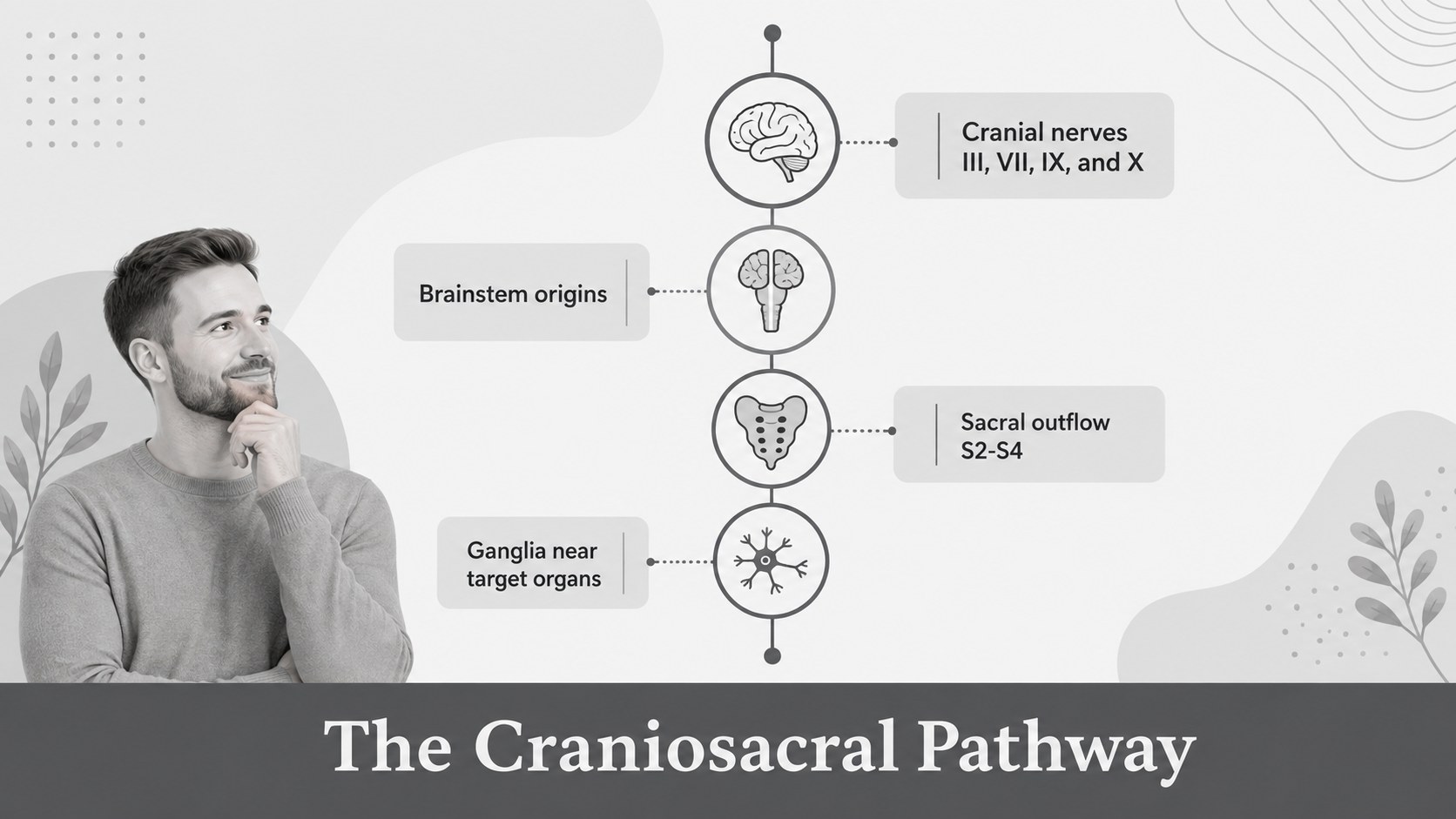
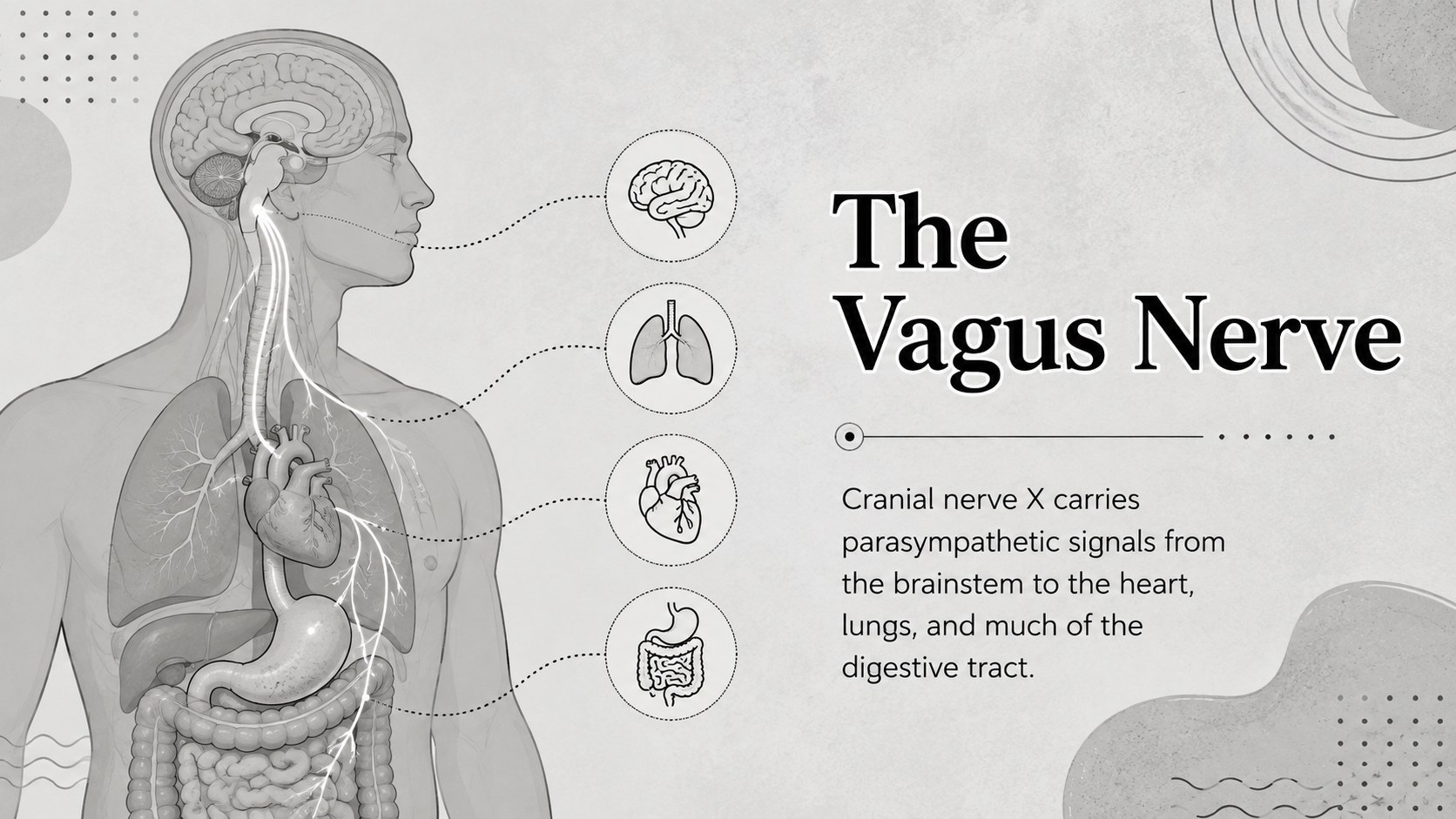
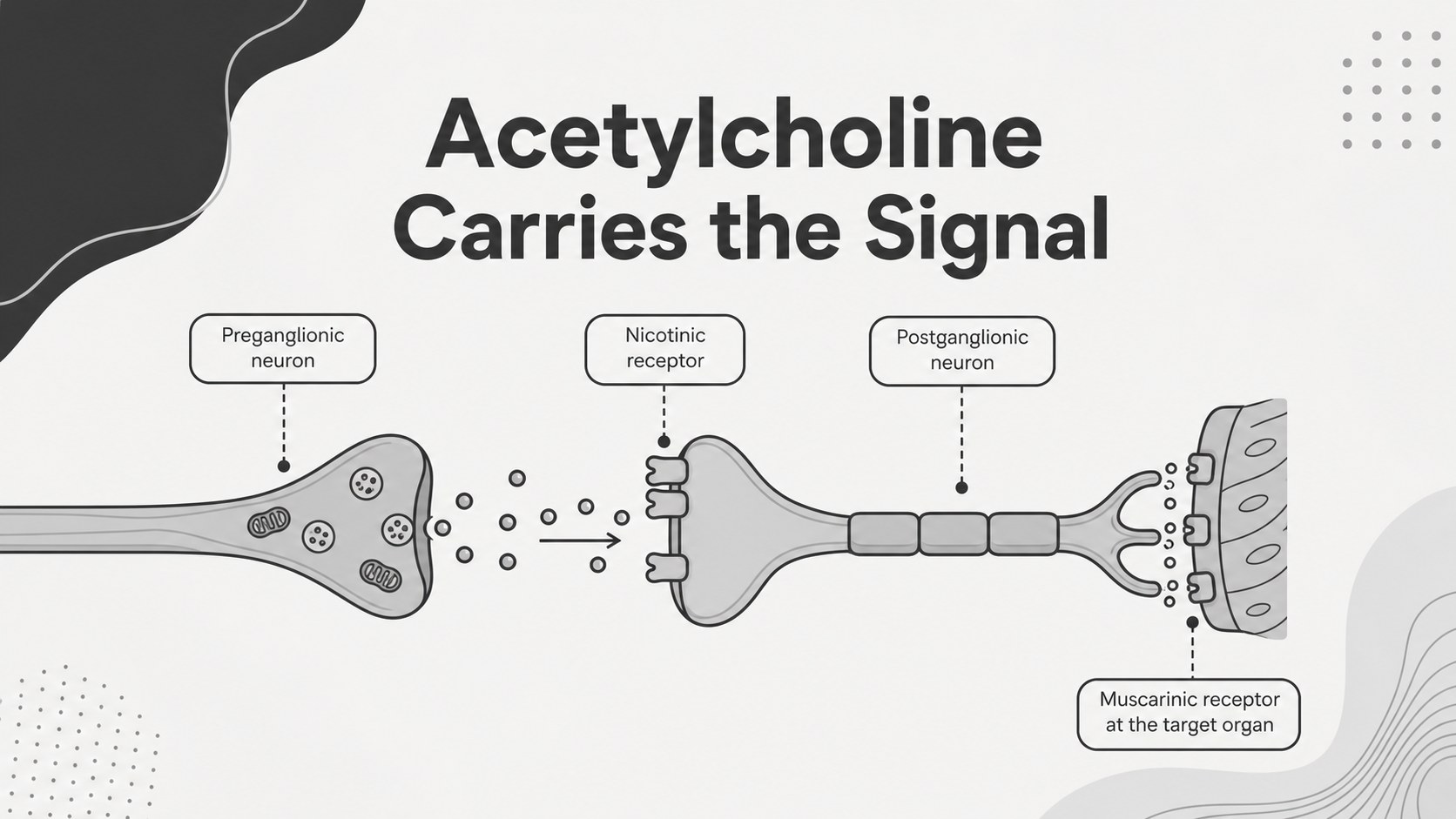
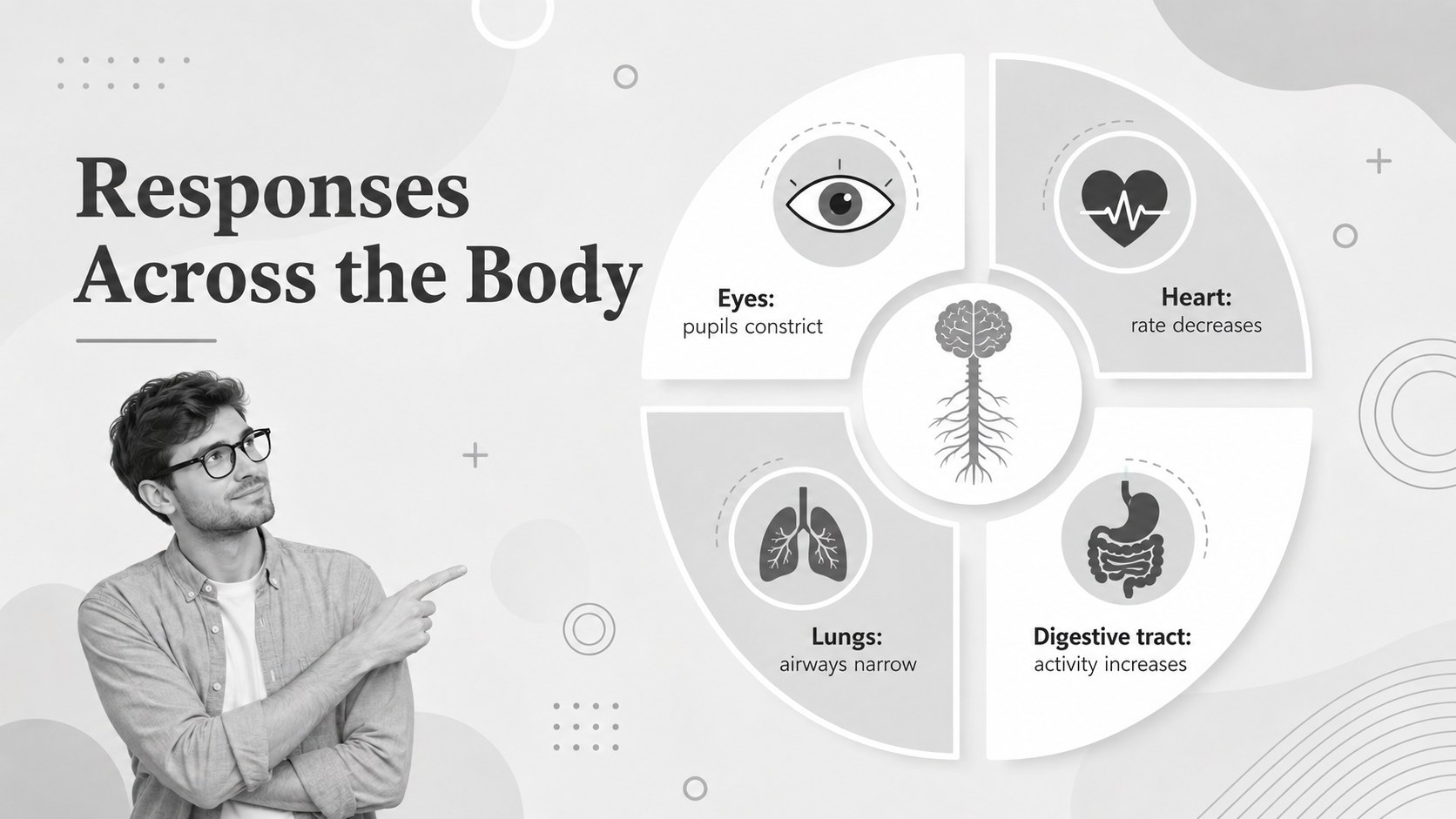
Design notes
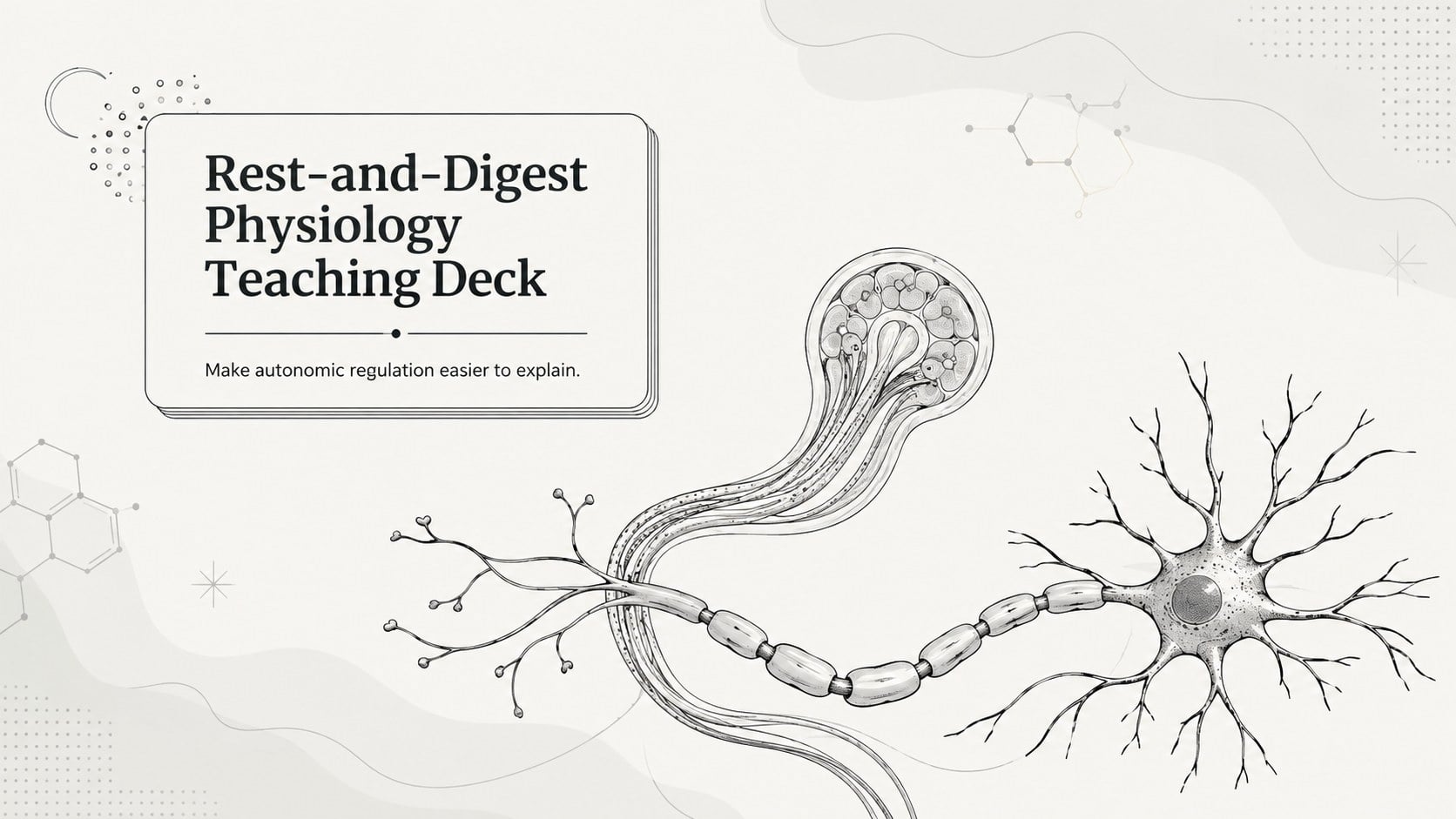
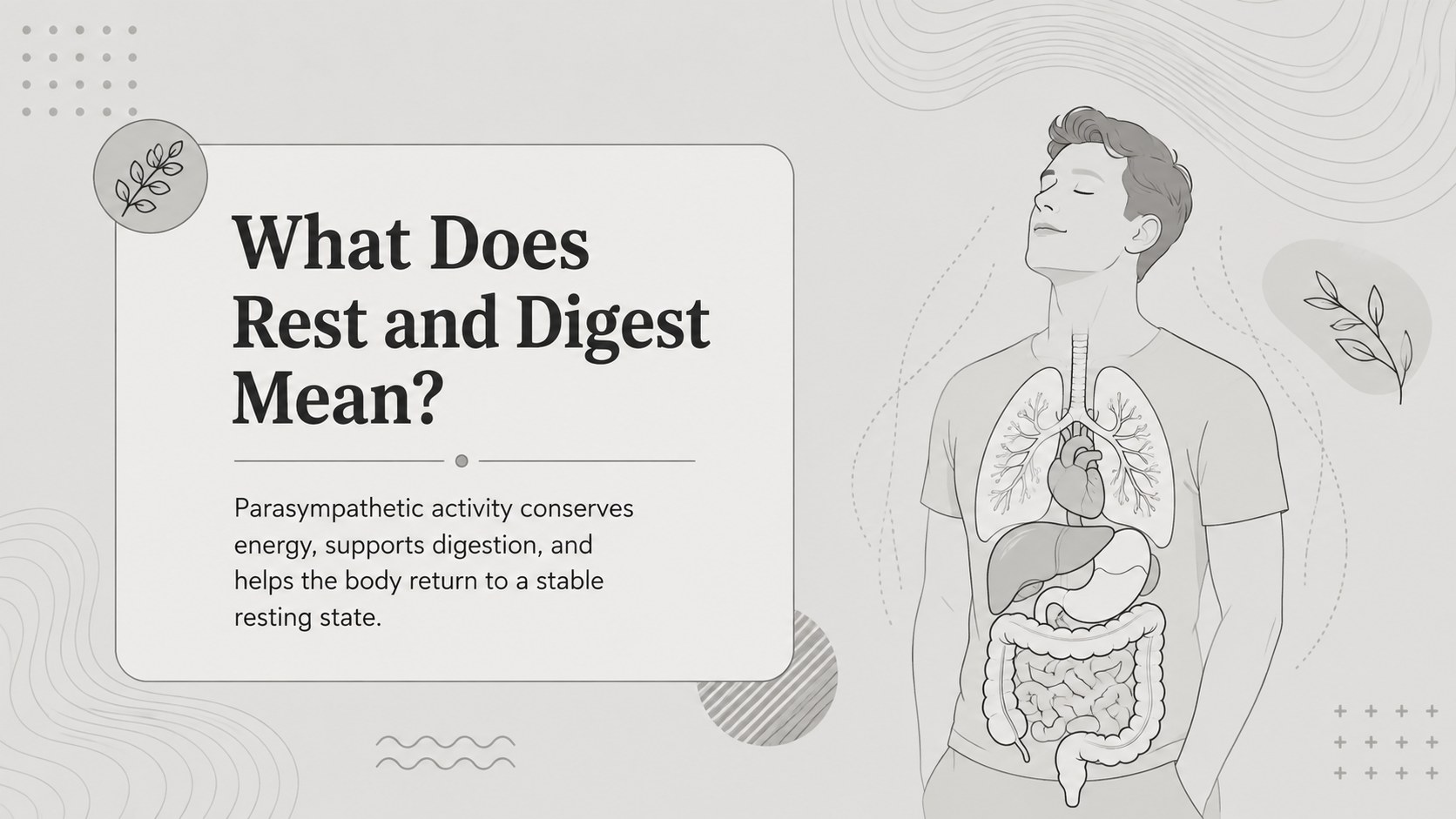
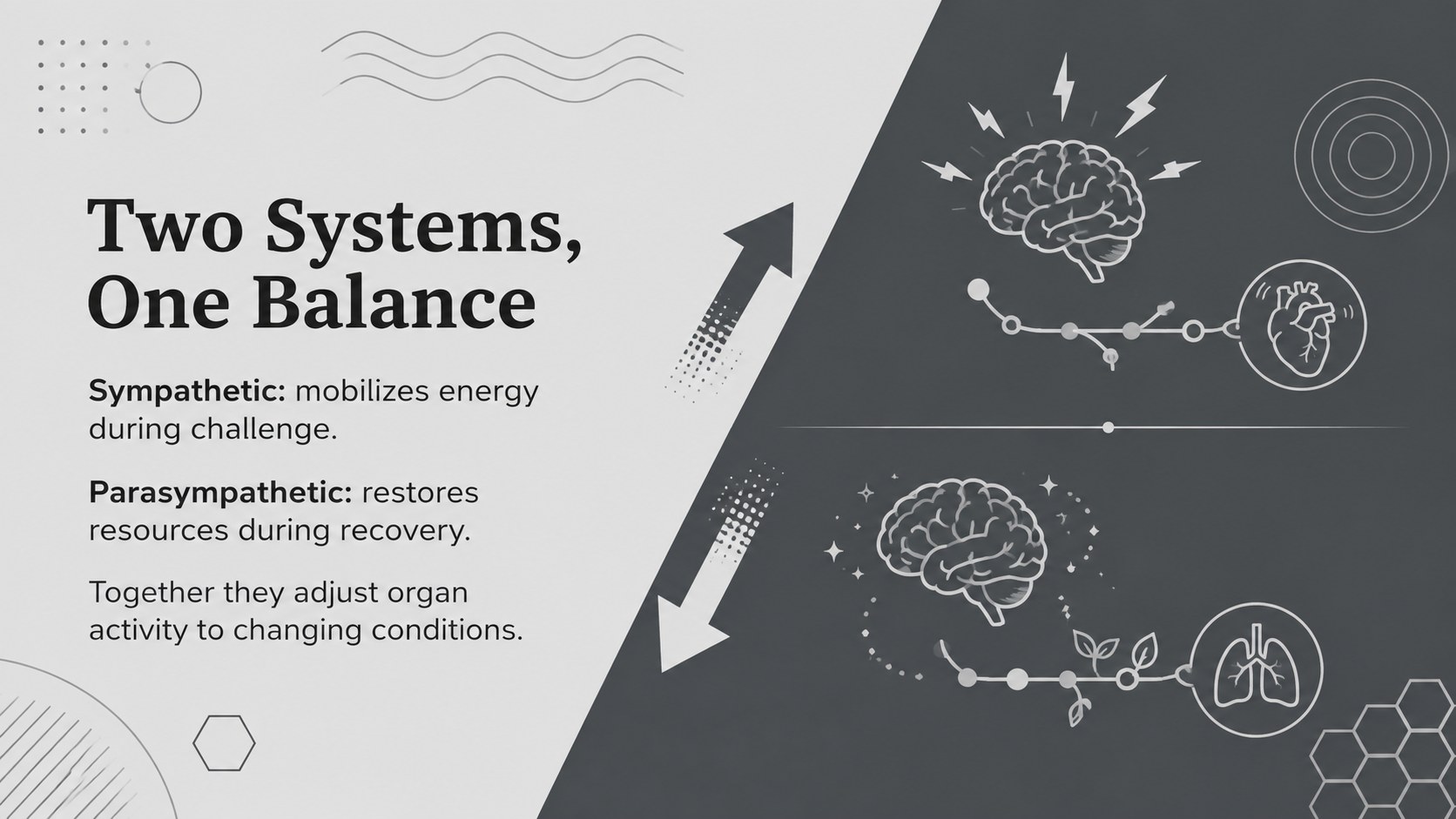
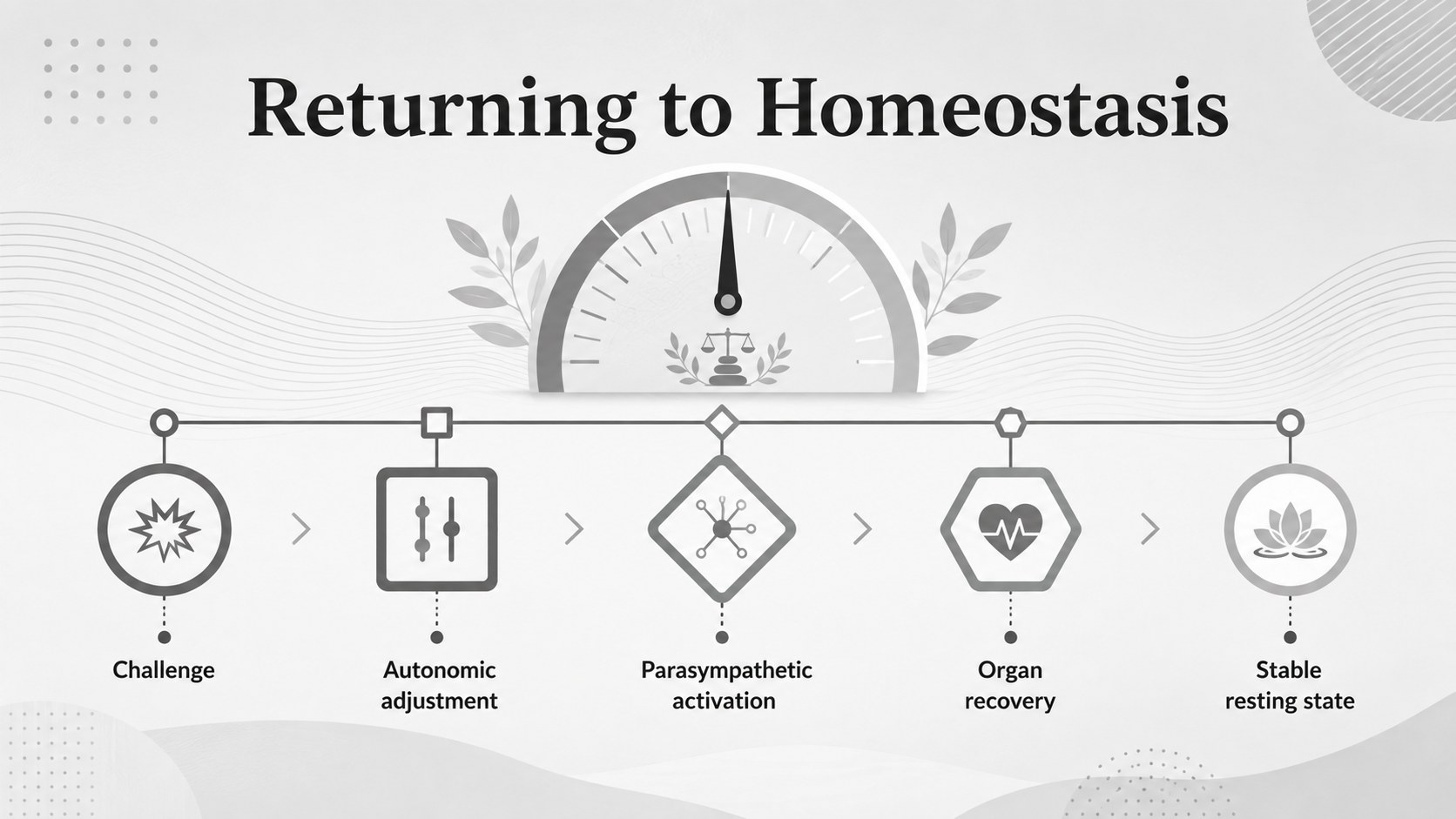
This rest-and-digest physiology teaching deck turns the parasympathetic nervous system into a structured, approachable lesson. Modern grey illustrations and clean information layouts help educators explain how the body conserves energy, regulates organs, and returns to a resting state after stress. Use it as an autonomic nervous system lecture slides resource for classroom teaching, clinical training, or independent study.
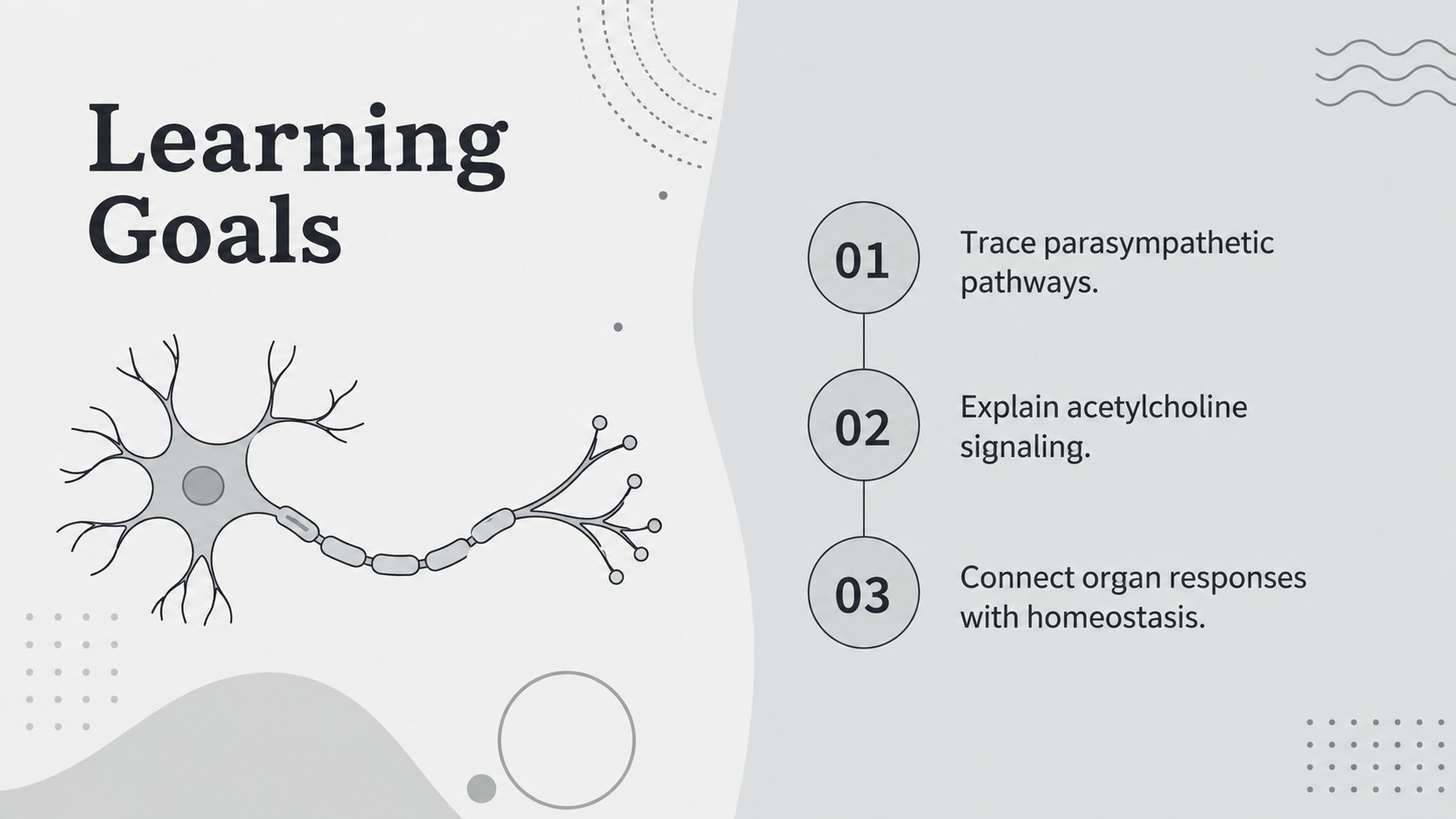
Inside, you will find space for learning objectives, craniosacral pathway diagrams, neurotransmitter summaries, organ response comparisons, and a focused overview of vagal activity. The sequence also covers acetylcholine signaling, target receptors, homeostatic effects, and the relationship between sympathetic and parasympathetic activity. A recap and knowledge check make the deck suitable for a complete rest and digest response lesson rather than a collection of disconnected anatomy slides.
The restrained monochrome palette keeps attention on labels, processes, and key takeaways, while illustrated layouts make complex physiology easier to scan. Health science instructors, nursing educators, medical students, biology teachers, and workshop leaders can adapt the slides in PowerPoint or Google Slides. Edit the terminology, replace diagrams, add course references, or expand the clinical examples to create a practical vagus nerve teaching presentation for your audience.
Perfect for: medical physiology lecture; nursing classroom lesson; autonomic nervous system workshop; biology exam review; clinical training seminar.
Frequently asked questions
Can I edit the diagrams and labels? Yes. Text, shapes, labels, and diagram elements can be adjusted to match your curriculum or terminology. You can also replace illustrations with institution-approved anatomical visuals.
Practical details
Yes. Text, shapes, labels, and diagram elements can be adjusted to match your curriculum or terminology. You can also replace illustrations with institution-approved anatomical visuals.
The deck is designed for Microsoft PowerPoint and Google Slides. Some fonts, transitions, or spacing may vary slightly between platforms, so review the final presentation before teaching.
Yes. Change the background, text, line, and accent colors using the theme controls in PowerPoint or Google Slides. Maintain strong contrast between labels and diagrams for accessible classroom viewing.
The structure supports introductory and intermediate physiology teaching. For advanced learners, add detailed receptor pharmacology, clinical correlations, citations, and institution-specific terminology.
Keep exploring
15Build an engaging World UFO Day session with this flying saucer history lesson deck, featuring retro green-and-brown slides for PowerPoint and Google Slides.
 15
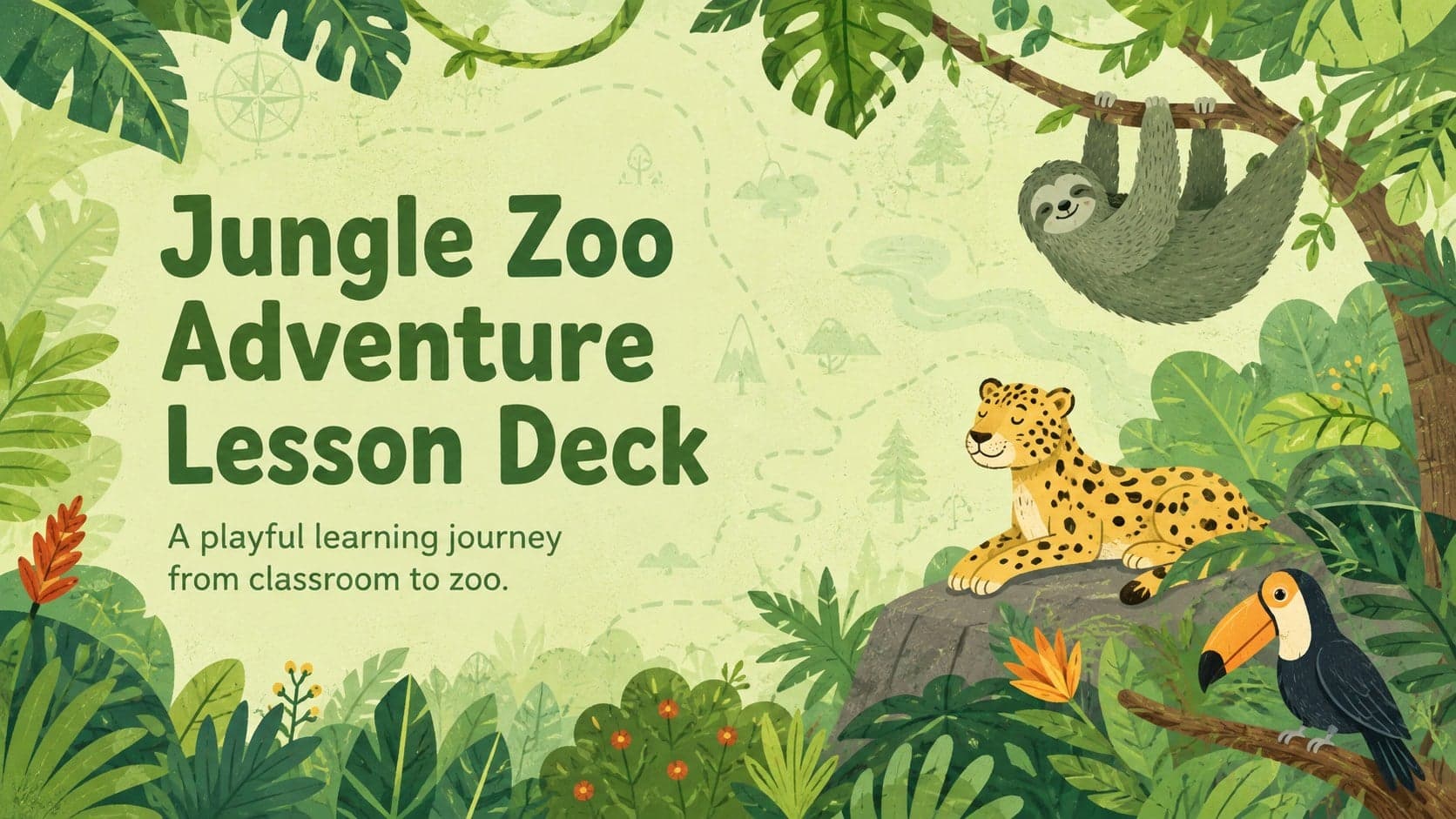
Plan a lively animal-learning journey with this jungle zoo adventure lesson deck, ready to customize in PowerPoint and Google Slides for young learners.
 16
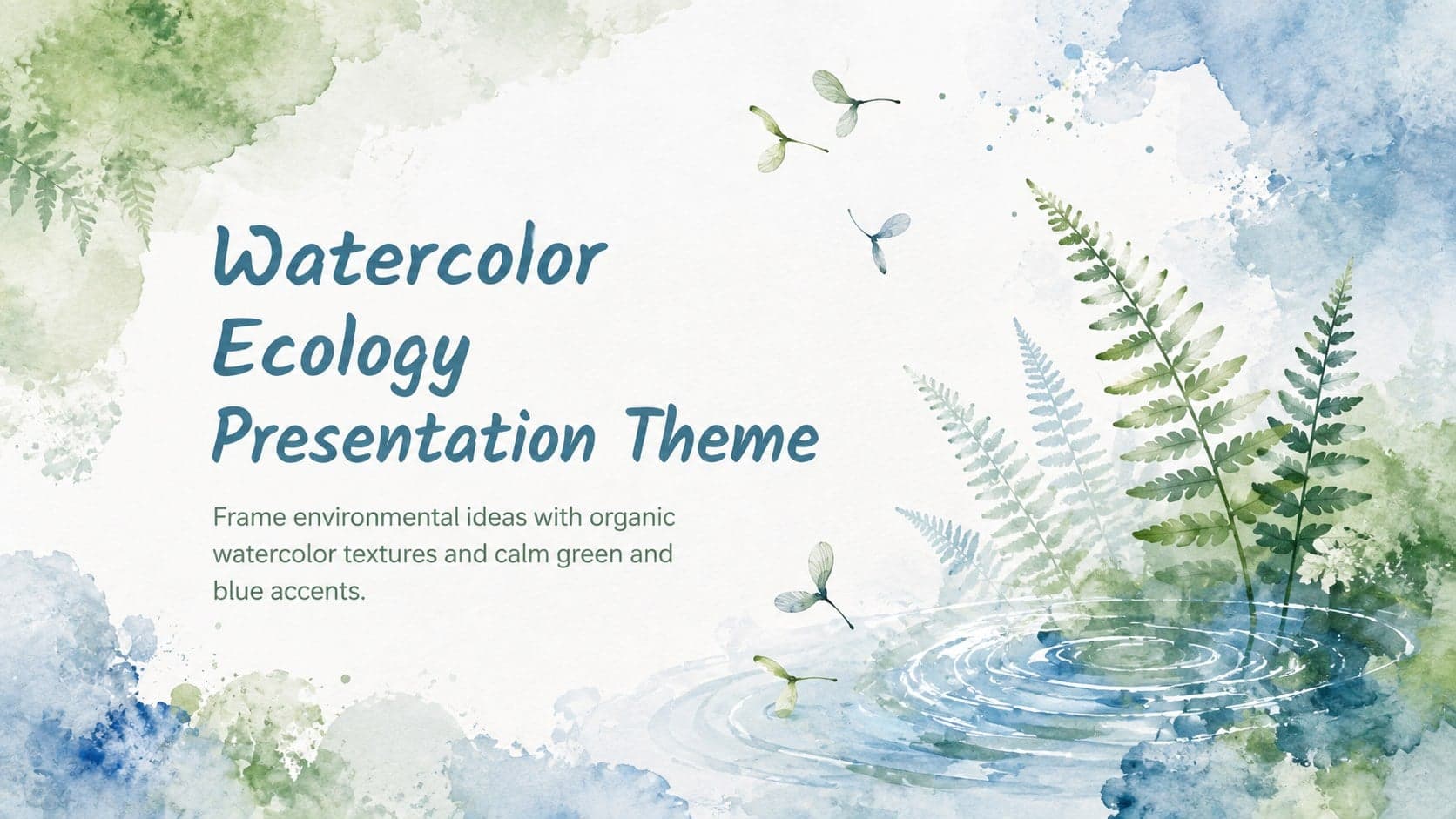
Turn environmental research into a clear story with a Watercolor Ecology Presentation Theme for PowerPoint and Google Slides in calming green and blue.
 16
Build focused fashion, literature, and humanities presentations with the Red Triangle Editorial Theme, editable in PowerPoint and Google Slides.
 15
Turn streaming stats, favorite tracks, and concert highlights into a bold annual listening recap slide deck for PowerPoint and Google Slides.
 15
Turn highlights, milestones, and favorite moments into a colorful year in review slide deck with bold 3D graphics for PowerPoint and Google Slides.
 3
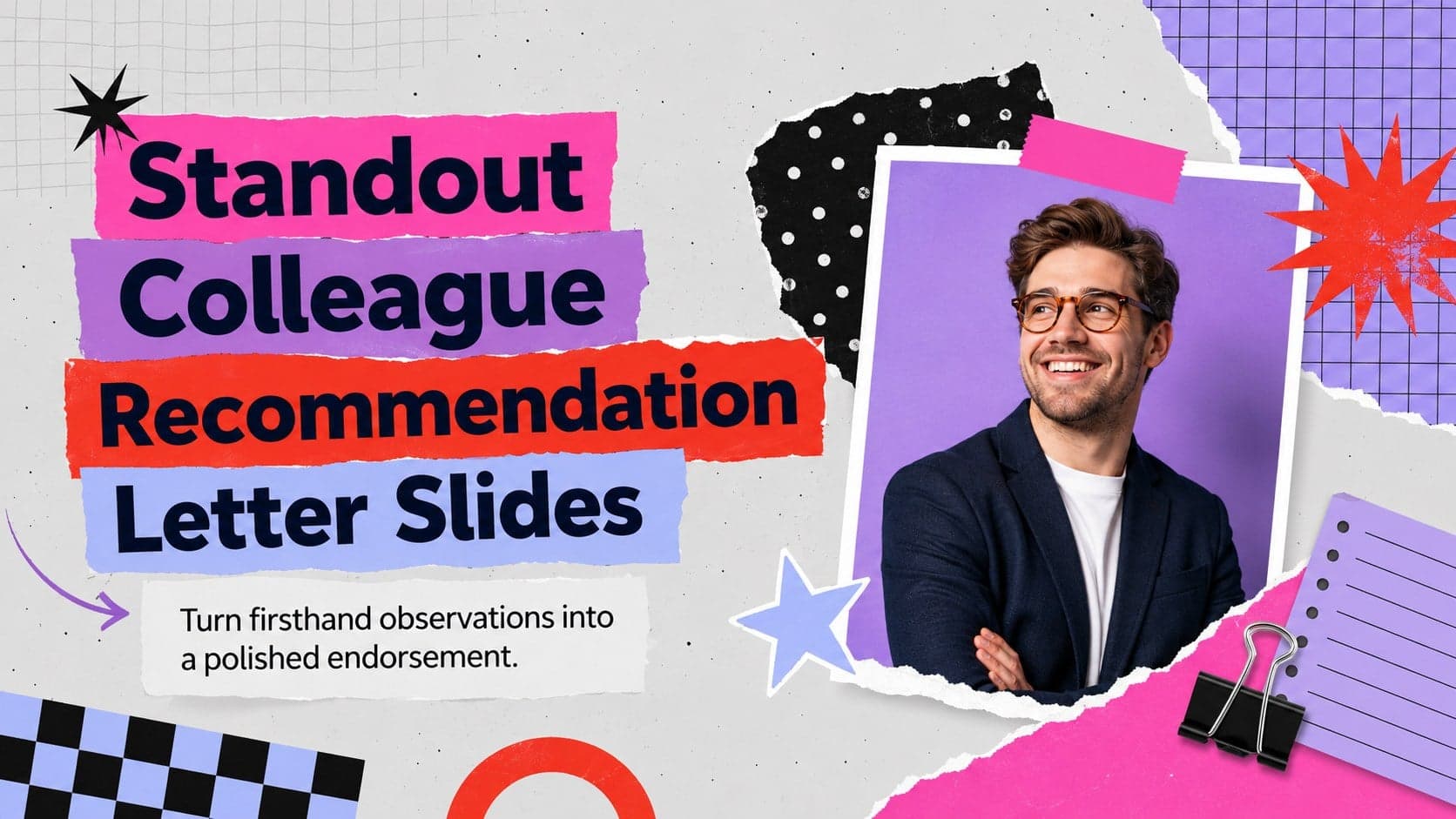
Build a credible endorsement with Standout Colleague Recommendation Letter Slides, featuring colorful prompts for skills, achievements, and team impact.
 4
Build clear beginner sessions with an ice hockey fundamentals training deck for coaches, PE teachers, and clubs, ready for PowerPoint and Google Slides.