
 15
presentation
Flying Saucer History Lesson Deck
Build an engaging World UFO Day session with this flying saucer history lesson deck, featuring retro green-and-brown slides for PowerPoint and Google Slides.
Google SlidesPowerPoint
presentation · English
Make anatomy approachable with Elementary Anatomy Discovery Slides, a colorful white-and-red lesson deck for teaching organs and body systems in primary…
Design notes
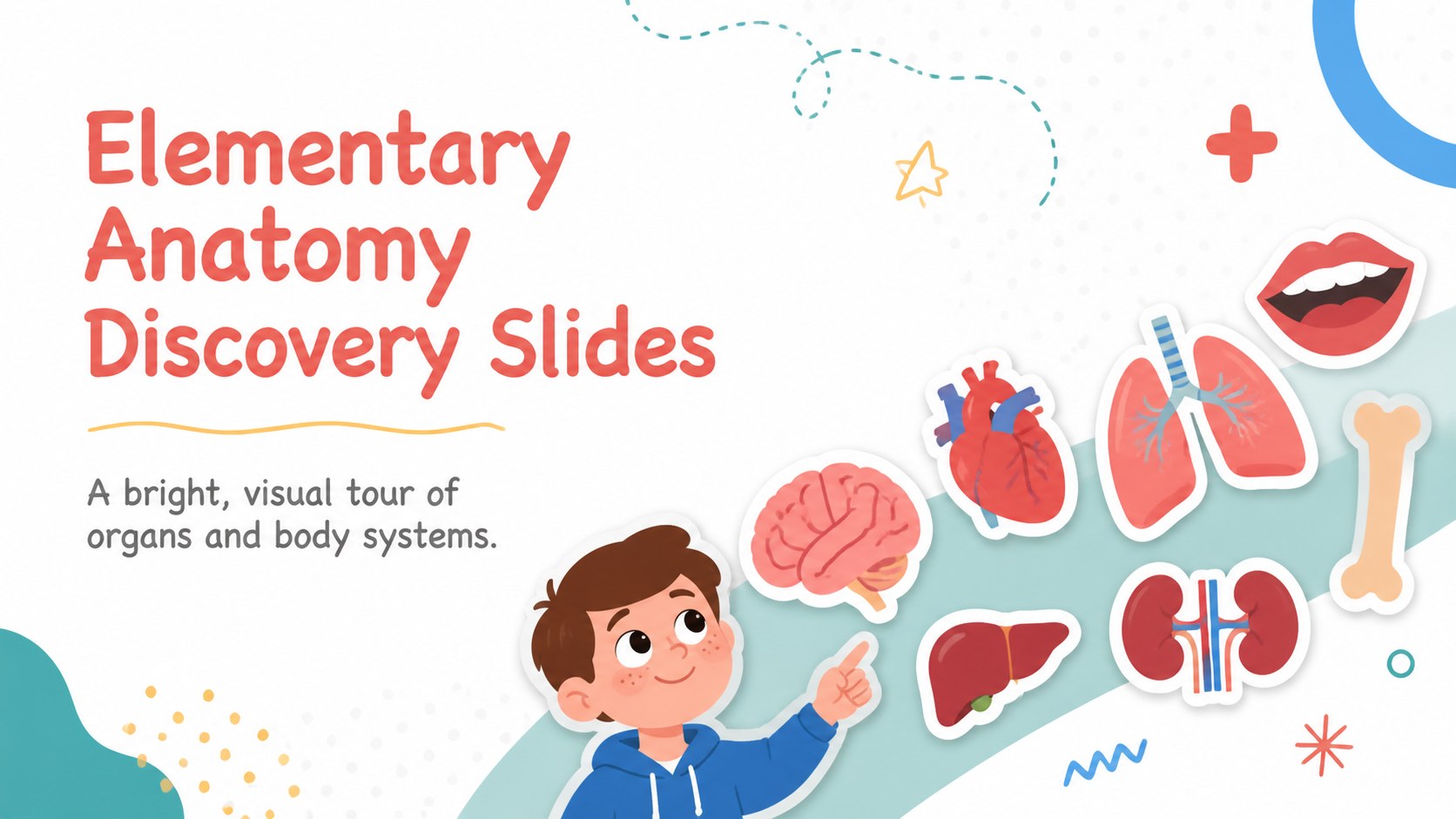
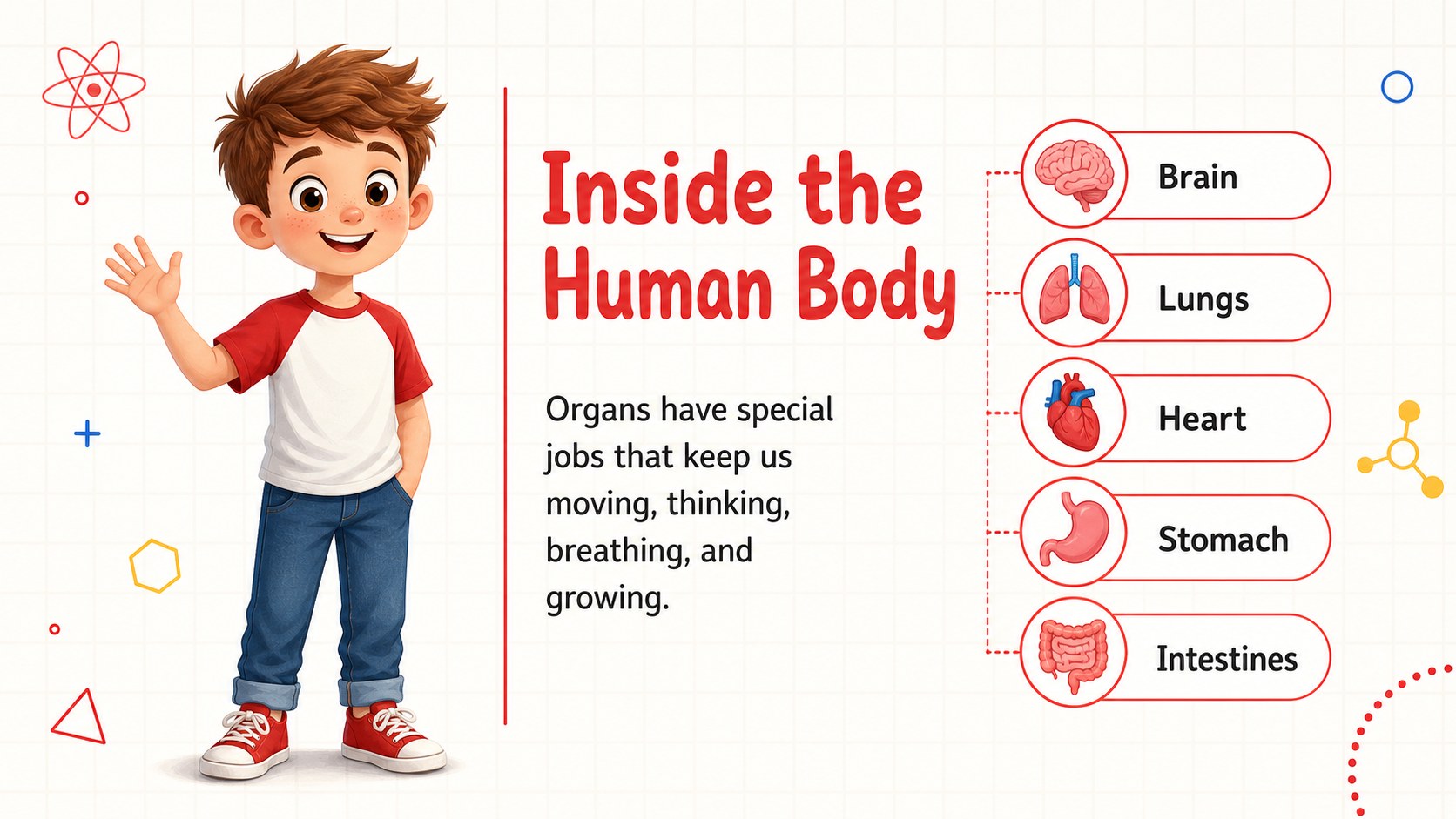
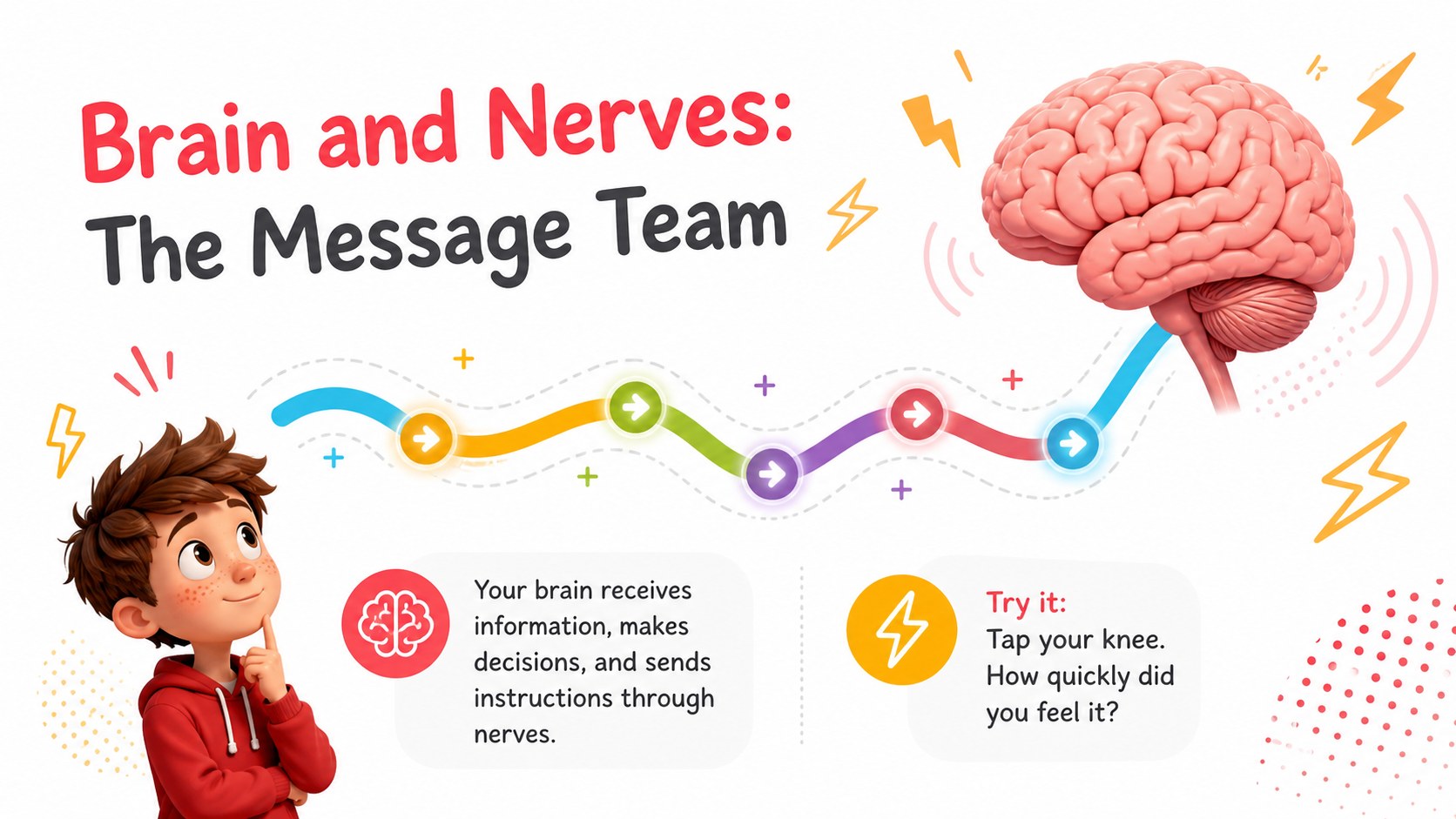
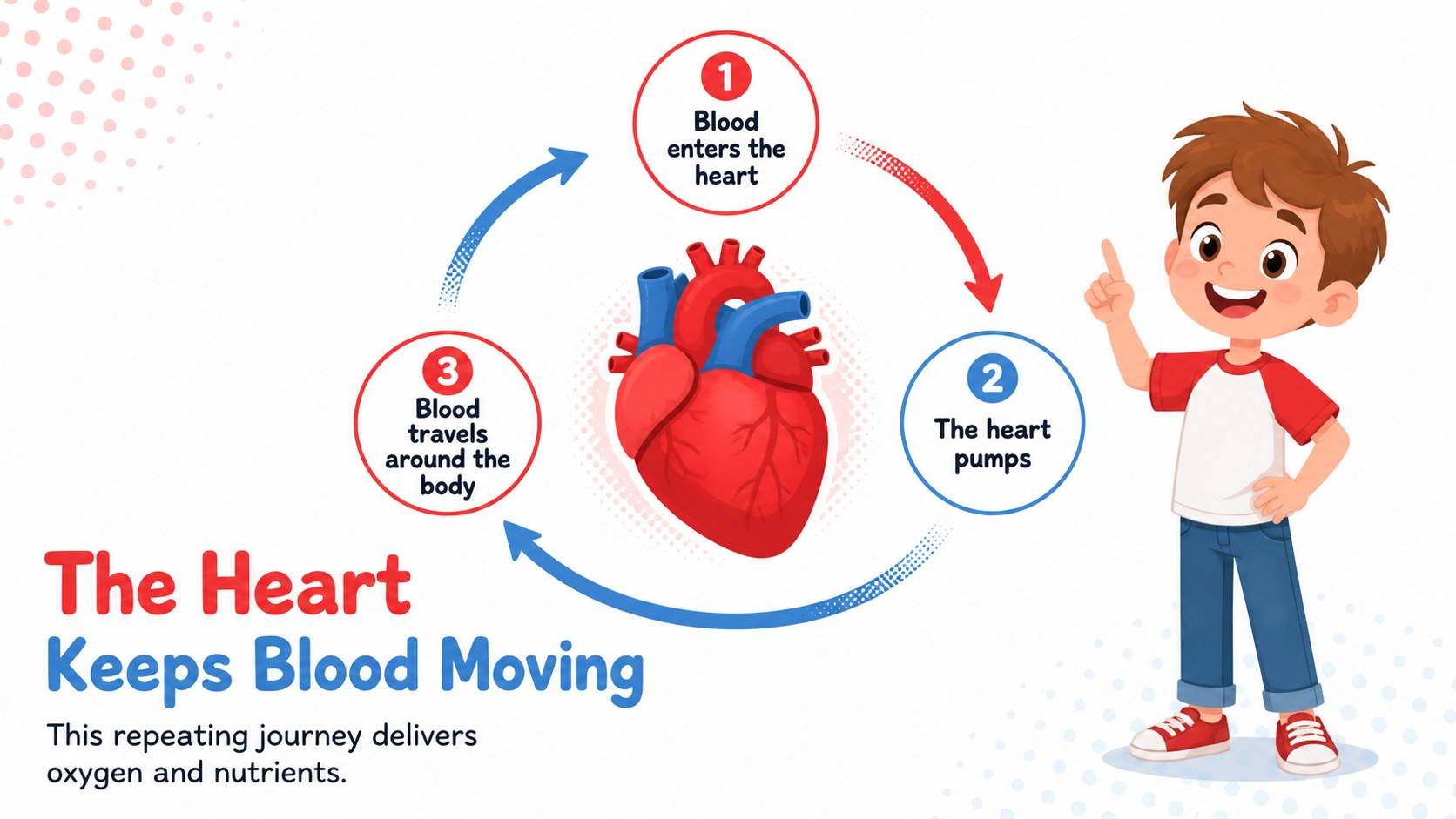
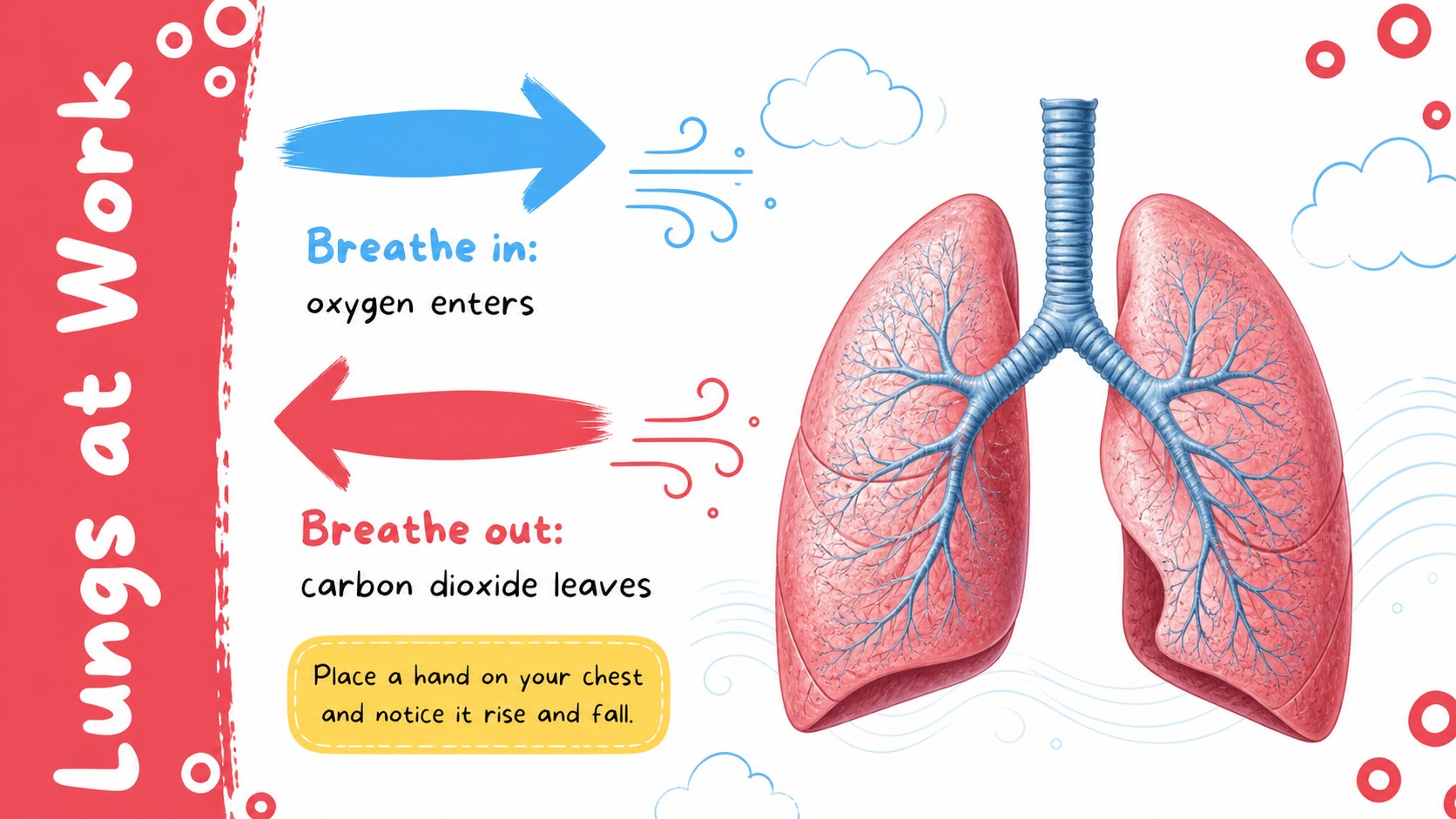
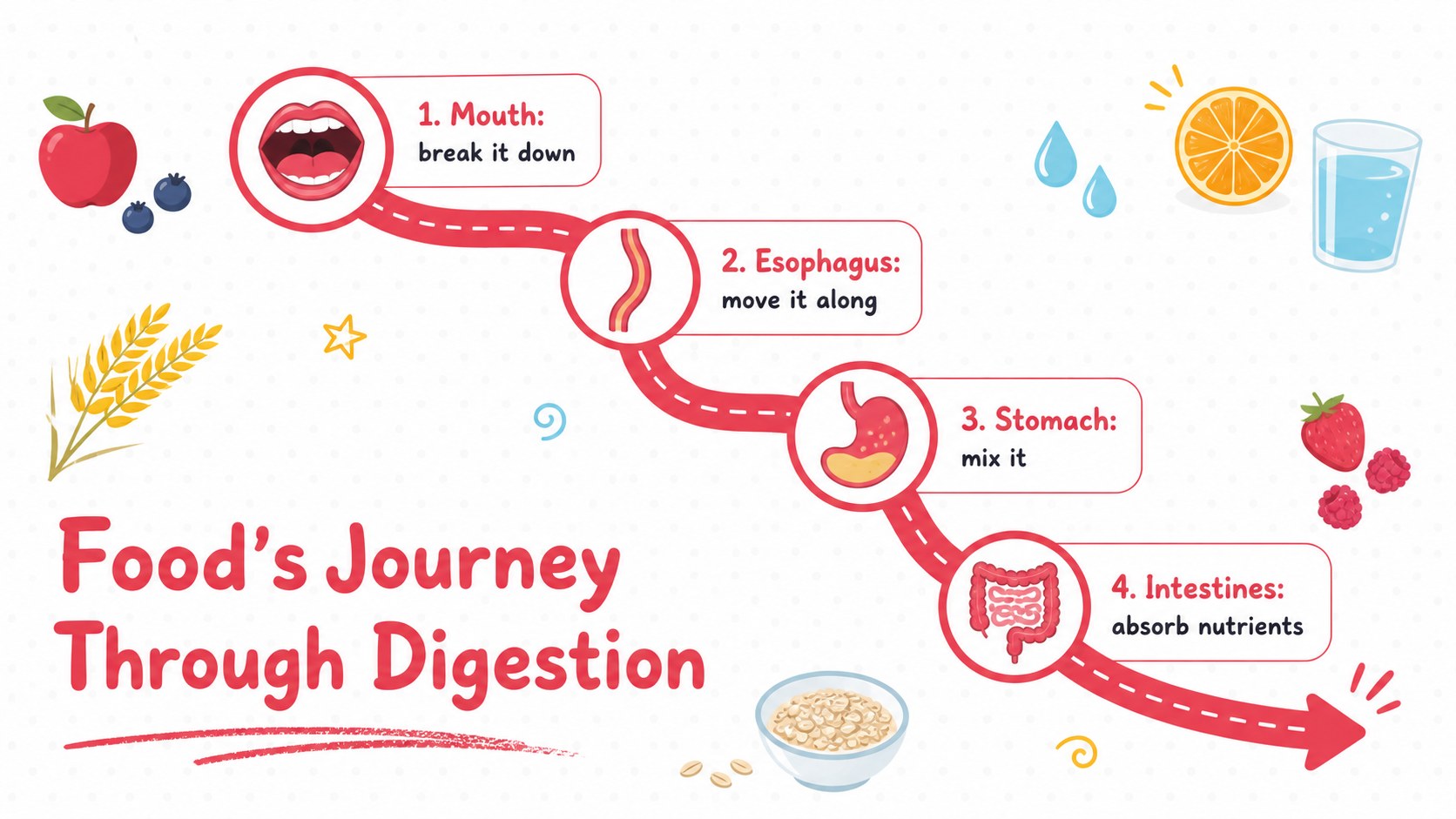
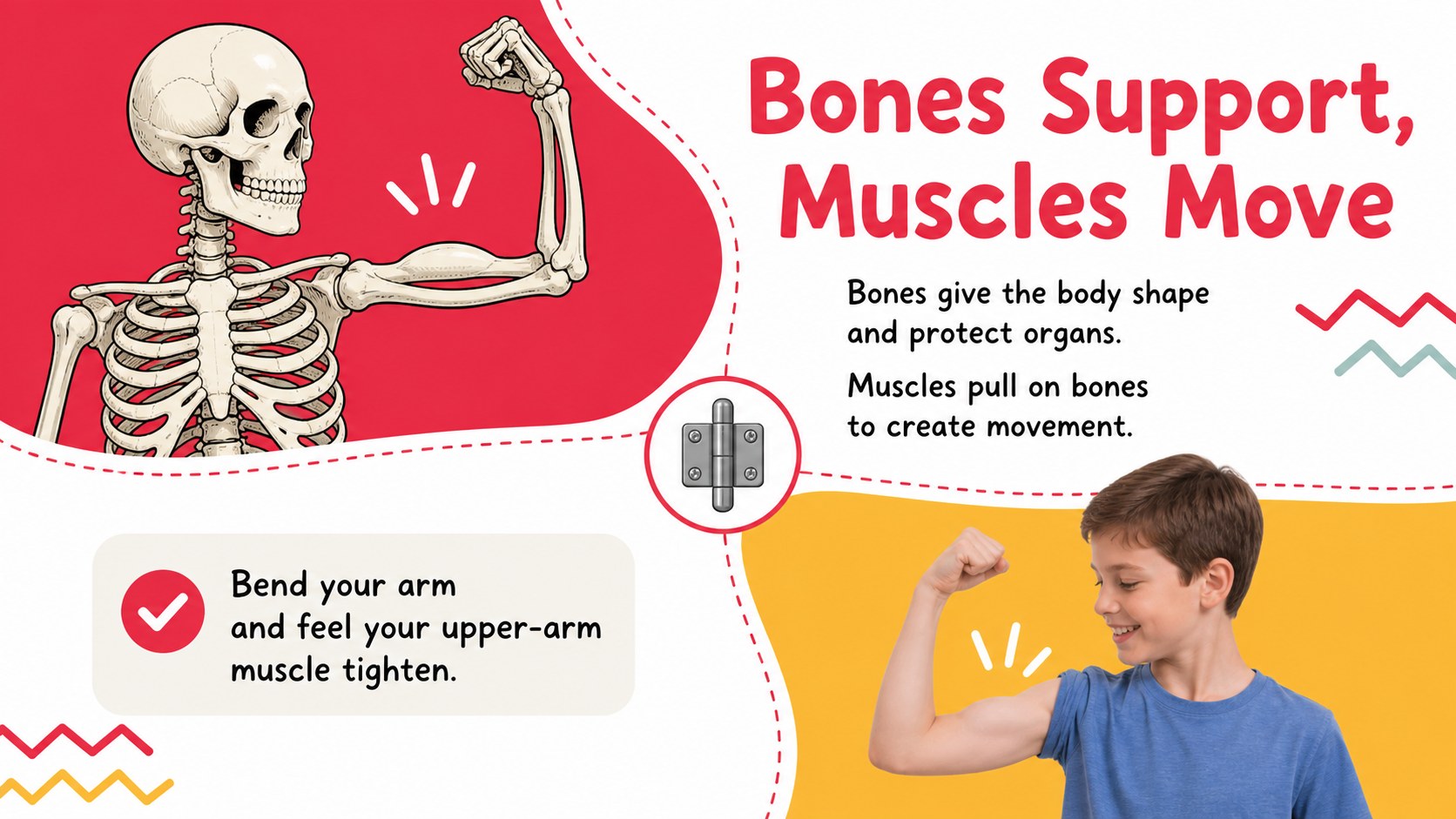
Elementary Anatomy Discovery Slides turn an introductory science lesson into a lively, visual classroom experience. Created for PowerPoint and Google Slides, this white, red, and colorful deck helps young learners recognize major organs, understand body systems, and connect anatomy concepts with everyday actions.
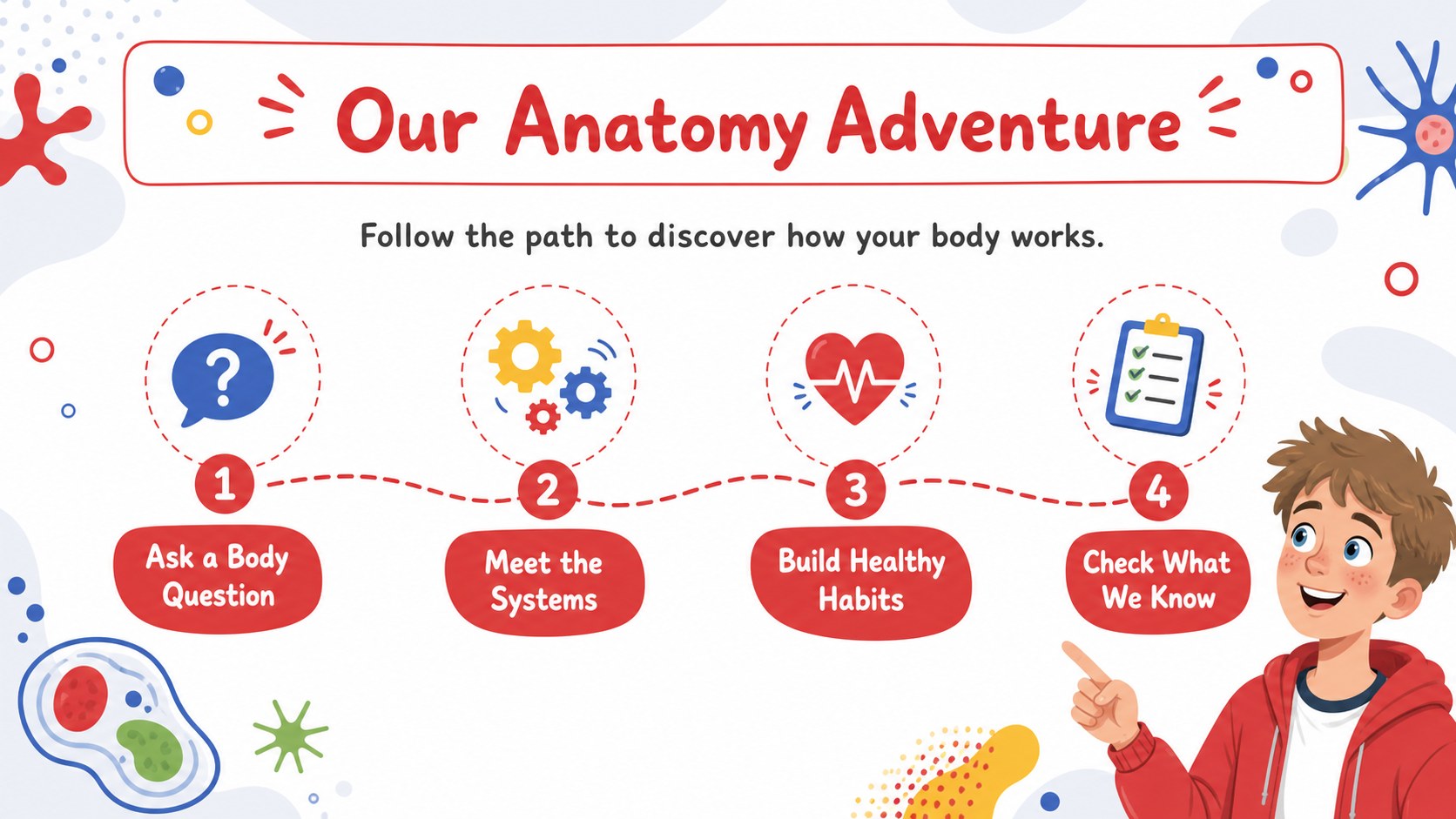
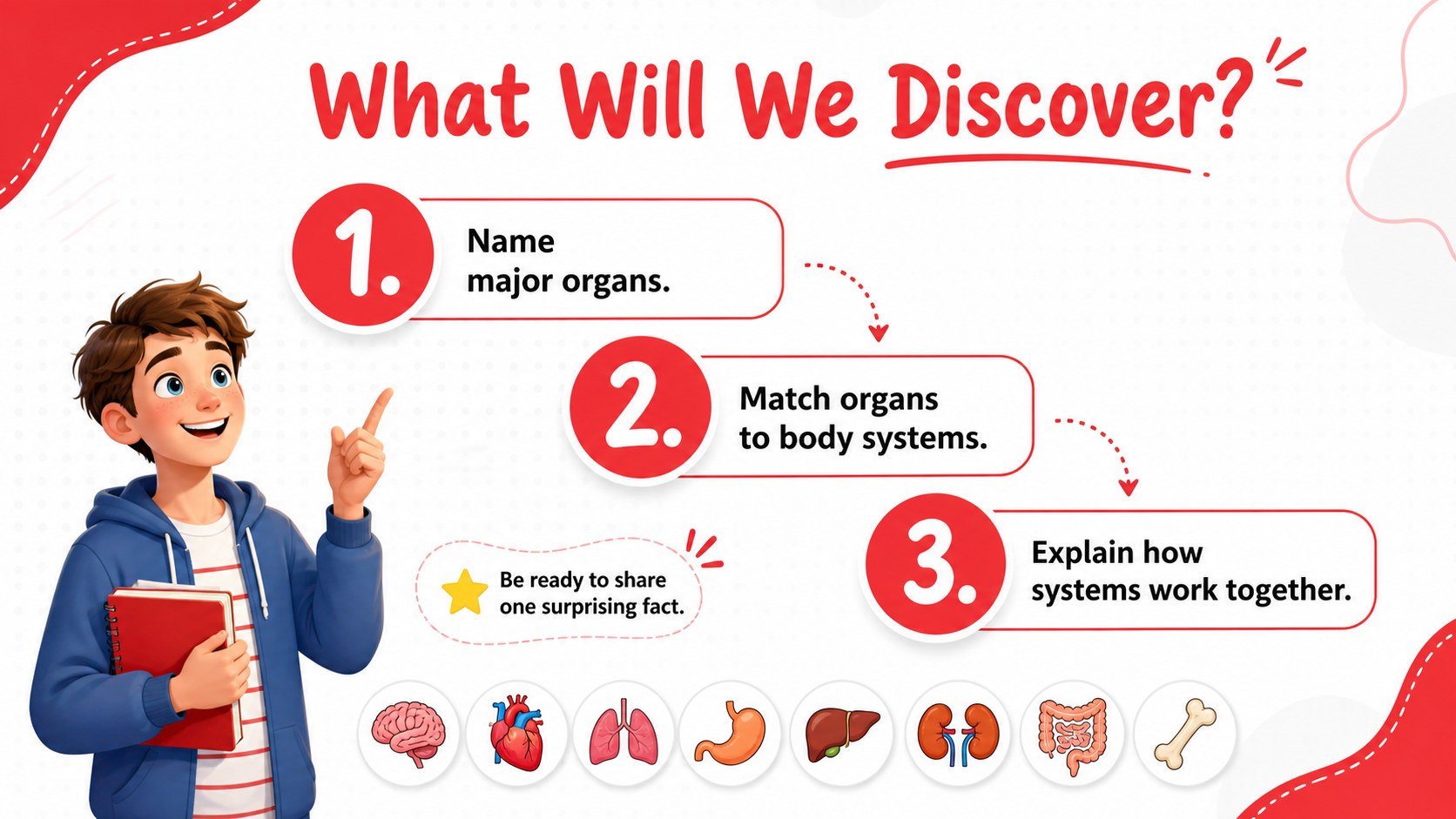
The elementary human body lesson slides include an opening question, learning goals, body-system overviews, organ spotlights, simple process diagrams, healthy-habit prompts, discussion activities, and a knowledge check. Teachers can adapt the sequence for one class period or divide it into a short anatomy unit for primary students. Clear headings, spacious layouts, playful illustrations, and age-appropriate labels keep detailed ideas accessible without making the lesson feel clinical.
Use the deck for whole-class instruction, science centers, review sessions, or student-led reports. It also works as a kids body systems presentation for homeschool lessons and enrichment programs. Replace the sample wording, reorder sections, add local curriculum vocabulary, or adjust the activity questions directly in PowerPoint or Google Slides. The energetic design retains a clean white foundation, vivid red accents, and multicolor anatomical graphics, making it suitable for educators who want creative anatomy slides for kids that remain organized and easy to follow.
Perfect for: elementary anatomy lesson; body systems science unit; human organs classroom review; homeschool biology activity; student anatomy report; science knowledge check.
Frequently asked questions
Can I edit these anatomy slides for my grade level? Yes. Teachers can replace labels, simplify explanations, reorder sections, and adjust the questions to match their curriculum and students' reading level.
Practical details
Yes. Teachers can replace labels, simplify explanations, reorder sections, and adjust the questions to match their curriculum and students' reading level.
The template is designed for Microsoft PowerPoint and Google Slides. Text, colors, images, and slide order can be edited in either platform.
Yes. You can update accent colors, typefaces, illustrations, and backgrounds while preserving the existing visual hierarchy. For readability, keep strong contrast between labels and anatomical graphics.
It provides adaptable layouts for introducing major organs and systems rather than prescribing a fixed curriculum. Add, remove, or duplicate topic slides to cover the systems required by your lesson plan.
Keep exploring
15Build an engaging World UFO Day session with this flying saucer history lesson deck, featuring retro green-and-brown slides for PowerPoint and Google Slides.
 15
Plan a lively animal-learning journey with this jungle zoo adventure lesson deck, ready to customize in PowerPoint and Google Slides for young learners.
 16
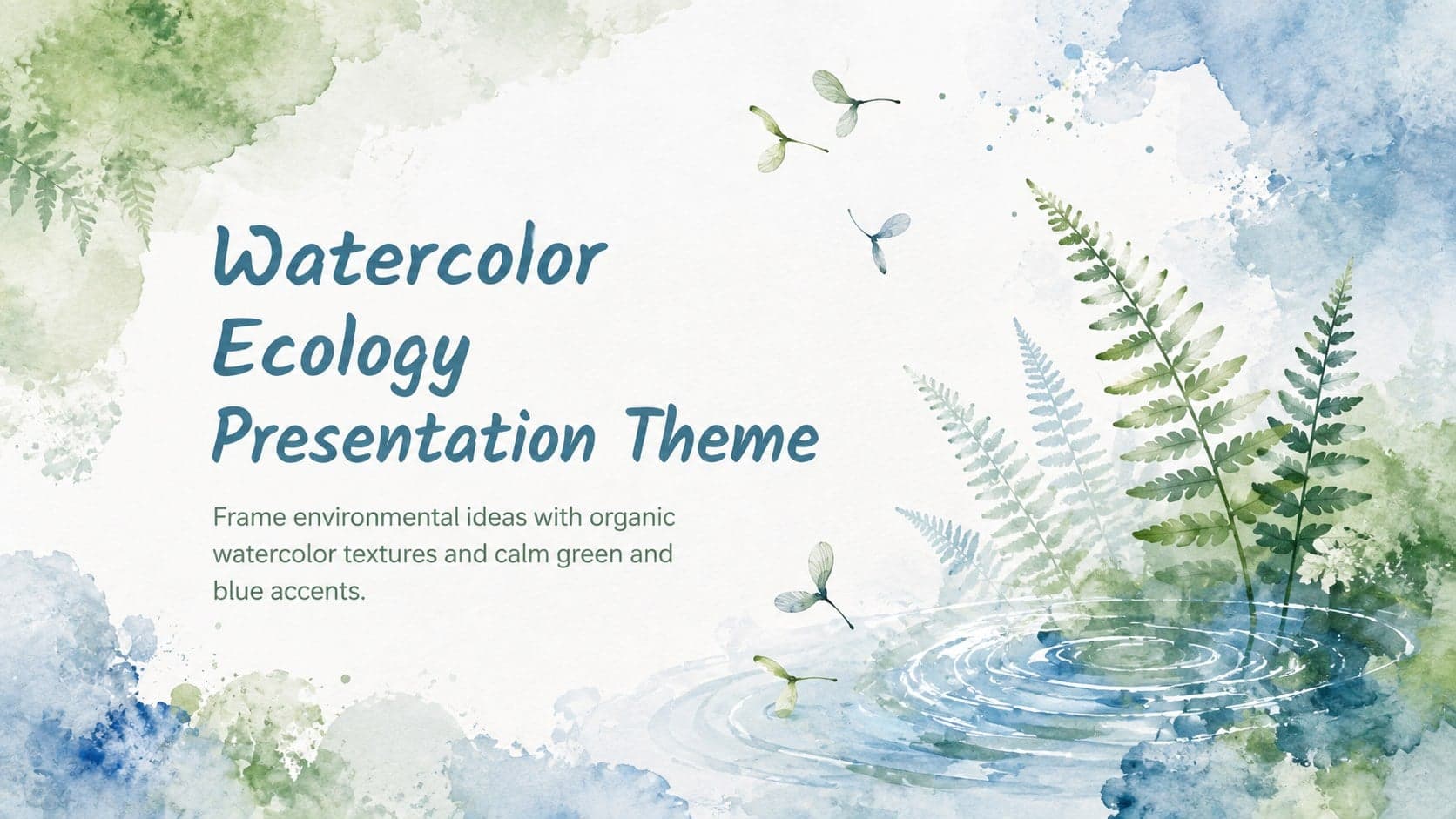
Turn environmental research into a clear story with a Watercolor Ecology Presentation Theme for PowerPoint and Google Slides in calming green and blue.
 16
Build focused fashion, literature, and humanities presentations with the Red Triangle Editorial Theme, editable in PowerPoint and Google Slides.
 15
Turn streaming stats, favorite tracks, and concert highlights into a bold annual listening recap slide deck for PowerPoint and Google Slides.
 15
Turn highlights, milestones, and favorite moments into a colorful year in review slide deck with bold 3D graphics for PowerPoint and Google Slides.
 3
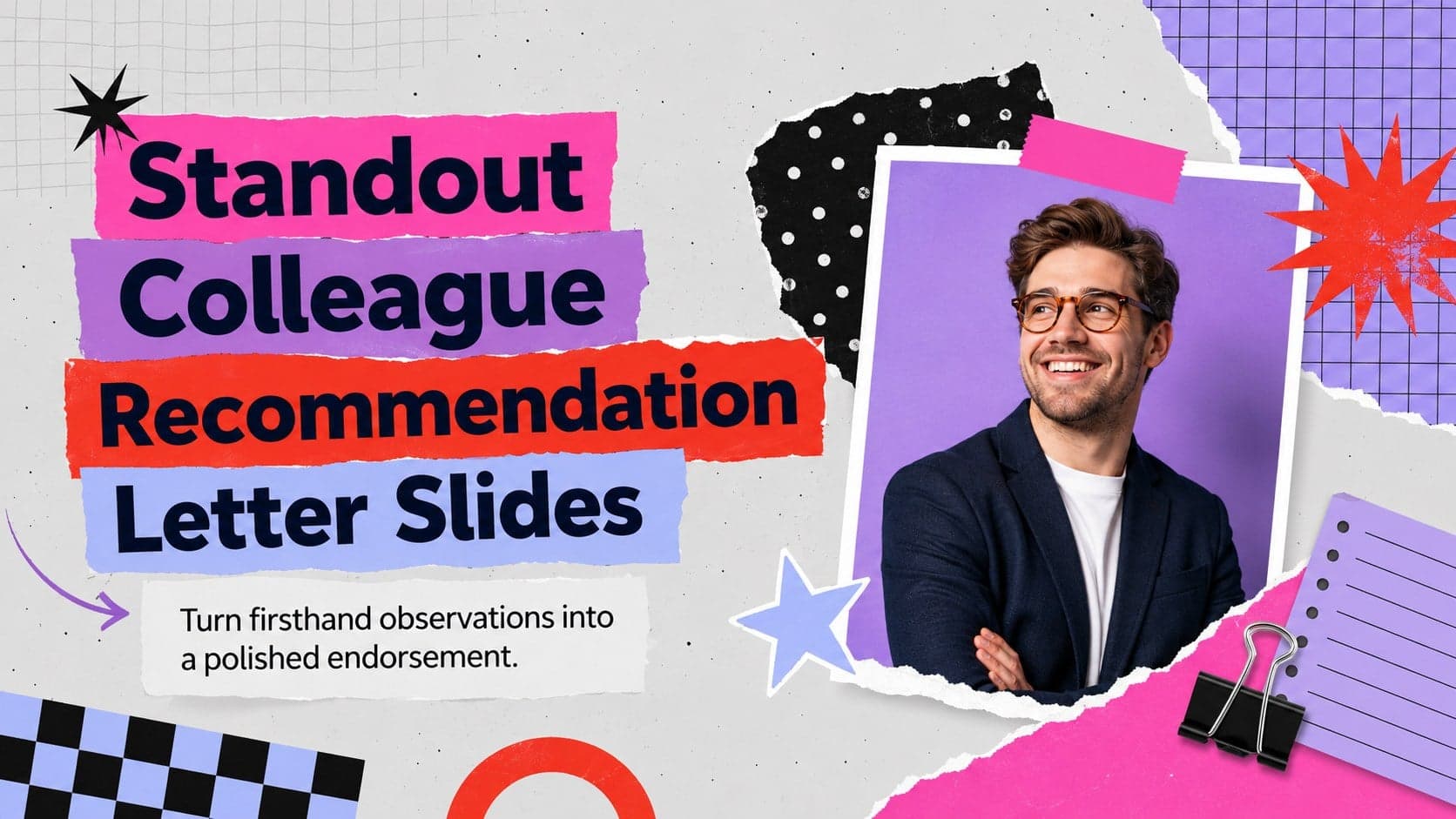
Build a credible endorsement with Standout Colleague Recommendation Letter Slides, featuring colorful prompts for skills, achievements, and team impact.
 4
Build clear beginner sessions with an ice hockey fundamentals training deck for coaches, PE teachers, and clubs, ready for PowerPoint and Google Slides.